
Ford Lincoln Mercury
Creating clear value & distinction between good, better and best
Our Work
Situation & Challenge
Lincoln and Mercury are the “better” and “best” of parent Ford Motor Company’s main-line offerings, with Ford representing the “good” brand. As Ford fought hard for its Lincoln brand to compete in the luxury segment, both the customer experience, identity, and communications were in need of elevation, and equally important, distinguished from its sister brands.
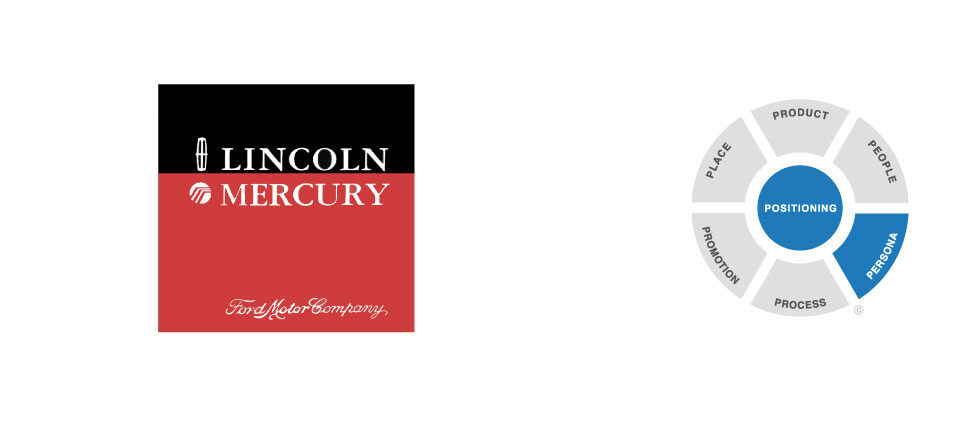
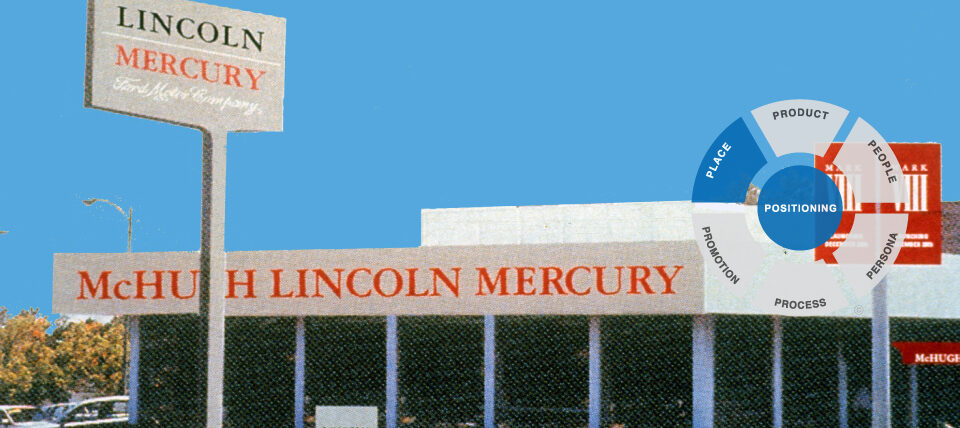
Within the dealer environment, all three badges were sold in the same retail space, with little done to distinguish the shopping experience. Even the brand identities were presented in equal weight on the dealership signage and other marketing materials. As the number of mid- to high-end competitive offerings grew, it was particularly challenging for Lincoln to represent itself as a luxury brand when its image was blurred with Ford and Mercury.
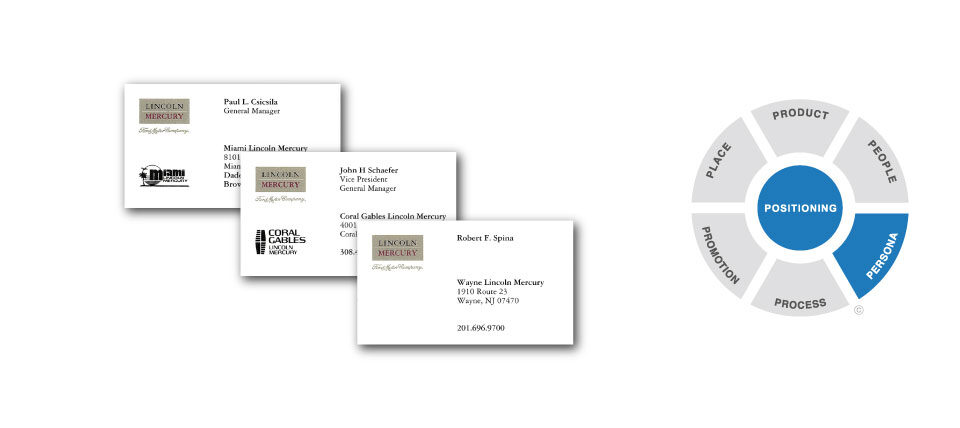
Making matters more challenging, independent franchises often developed their own proprietary brand identities, often at the expense of the Lincoln brand, yet were less likely to commit funds to drive communications that didn’t support “their” brand. This further detracted from the development of a consistent identity.
Analysis, Solution & Results
Get the full story behind the work with Ford Lincoln Mercury to create distinct brand value between good, better, and best.
Related Work & Stories
See how we repositioned and re-launched a venerable 59-year-old automotive experience.